As part of Perennial City: Experiments in Urban Gardening, historian Nate Ela takes us deeper into the histories of urban gardening associated with Hull-House. Ela is an associate professor of Law at Temple University, and was an early advisor on the Perennial City exhibition. His book, Cultivating the City: The Long Struggle to Put Land to Use, will be published by the University of Chicago Press in the spring of 2027.
In the years before World War I, Hull-House took the lead in coordinating Chicago’s vacant-lot gardening programs. To understand how it came to play this role, it helps to pick up the story in the late 1800s.
In the wake of a nationwide economic crisis in 1893, reformers and officials in America’s industrializing cities looked for ways to ease the suffering of the unemployed. In Detroit, Mayor Hazen Pingree launched a program to let jobless residents grow food on vacant lots donated by private owners. The project ultimately converted 430 acres into gardens for the poor. Promising the program would reduce the tax burden created by public relief programs, Pingree ordered the city’s poor commission to strike from its rolls anyone who did not apply for a garden.1
Word of “Pingree’s Potato Patches” quickly spread. Within years, vacant lot cultivation associations were operating in New York, Philadelphia, and beyond, with social reformers hailing how gardens let the unemployed help themselves.2 In 1895, the Chicago Tribune solicited a column from Pingree describing his program, and within a few years the Chicago Bureau of Charities started its own project to let the poor use vacant lots for gardening.3 These gardeners formed a group called the People’s Friendly Club, which met at Hull-House.4 Although the Bureau’s program ended after a few seasons, the landless gardeners kept getting together at Hull-House to sing and play music.5
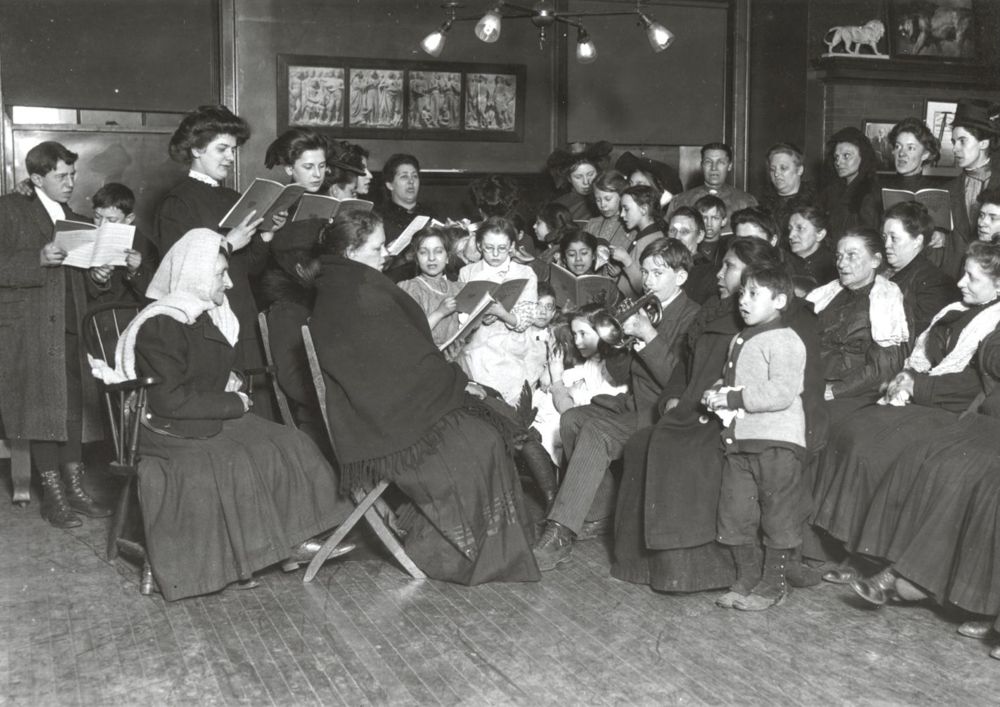
Constrained by space, Hull-House residents never built a garden for the club at the settlement house itself. But they did promote discussion of gardening’s potential for social reform. In 1901, the Russian anarchist prince Peter Kropotkin visited Hull-House to share his vision of how urban workers might divide their labor between agriculture, industry, and craft workshops.6 Inspired by intensive horticulture near European cities, Kropotkin had recently published Fields, Factories, and Workshops. Jane Addams praised it as a “remarkable book.”7
Gardening also came up in private meetings concerning workers’ living conditions, which brought together settlement leaders and officials from progressive manufacturers. During one meeting, a factory manager from Dayton explained how his company had assigned garden plots to “idle and disorderly” neighborhood boys, directing their energy into good channels.8 During another, New York City’s buildings inspector argued that worker productivity depended on access to pure air, water, and food.9 Welfare agents from Chicago-based International Harvester, the world’s largest maker of farm machines, reported on these meetings directly to the company’s president. The interest of Kropotkin, Hull-House, and Harvester shows how reformers coming from very different angles all saw gardens as a place to experiment with the terms of the bargain between workers and companies.
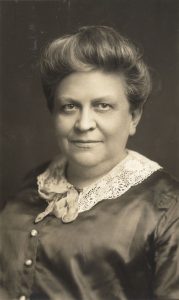
In 1909, Hull-House resident Laura Dainty Pelham founded the City Gardens Association (CGA) to make land available to members of the People’s Friendly Club. A former stage actor, Pelham had started working with Hull-House in the 1890s.
In 1902, she campaigned to become alderman of the 19th Ward but lost to the incumbent, a Democratic party regular. Two years later, she renouncedher marriage, declared herself a Socialist, and moved into Hull-House. She became president of its women’s association and founding director of its theater company, the Hull-House Players—the role for which she is generally remembered today.10
Much of Pelham’s work was devoted to finding land for gardens. As CGA president she sent out letters asking for land and money. She received offers of vacant lots scattered around the city. One came from Harvester, which offered up ninety acres. In the summer of 1909, the CGA allotted gardens on twenty acres next to McCormick Works, Harvester’s flagship factory on the city’s southwest side.
Putting gardeners on the land required work. “To us land was land,” Pelham recalled after the first season. “The practical farmer who was going to lay out the land informed us, however, that the ground was good only for seagulls in its present condition and that it would have to be drained.”11 That the association pulled together the needed money—some $13,000 in current dollars—apparently without much trouble suggests Pelham had negotiated access not only to land but also to deep pockets.12
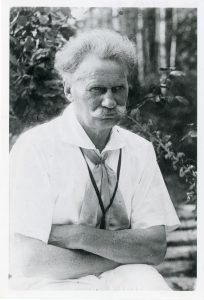
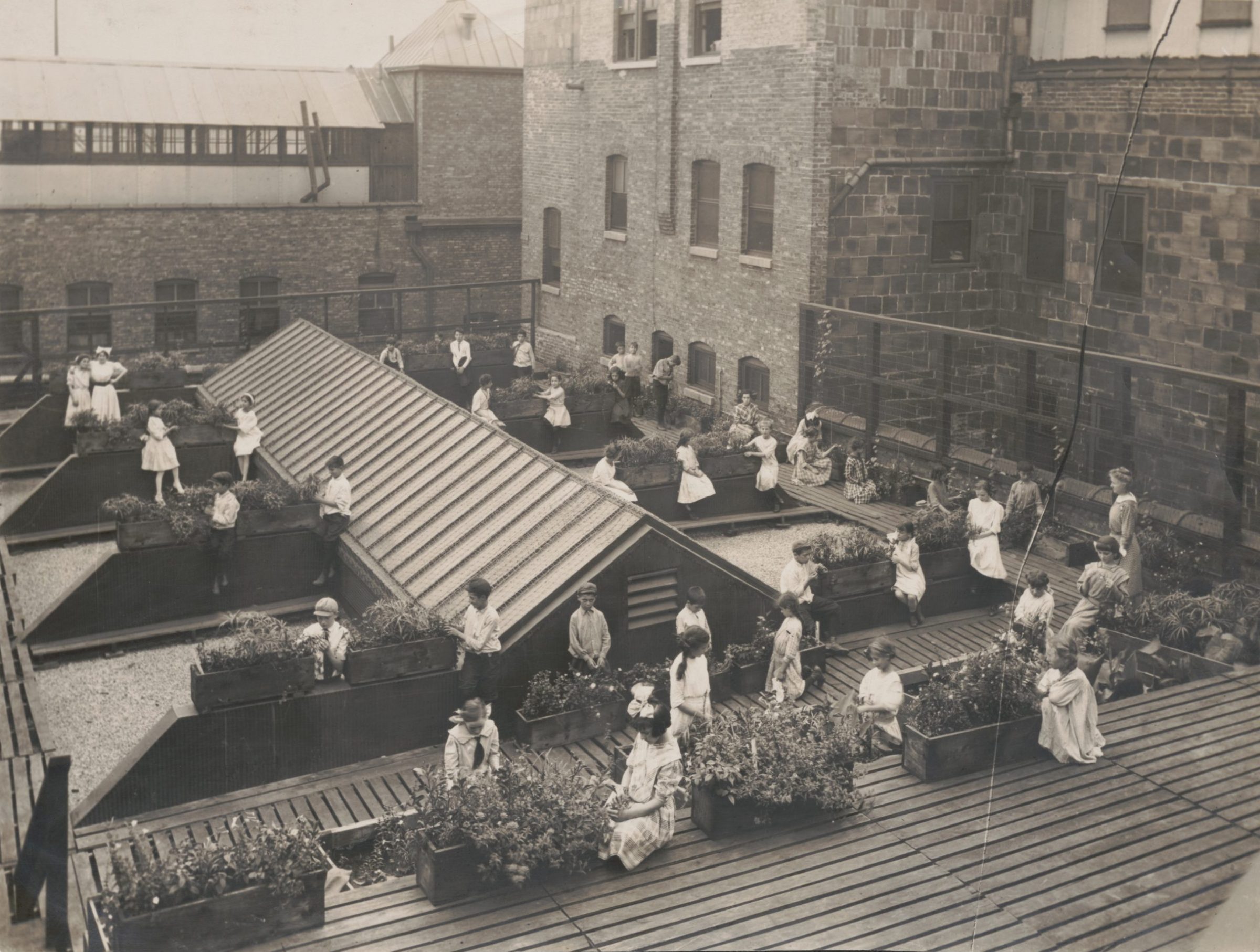
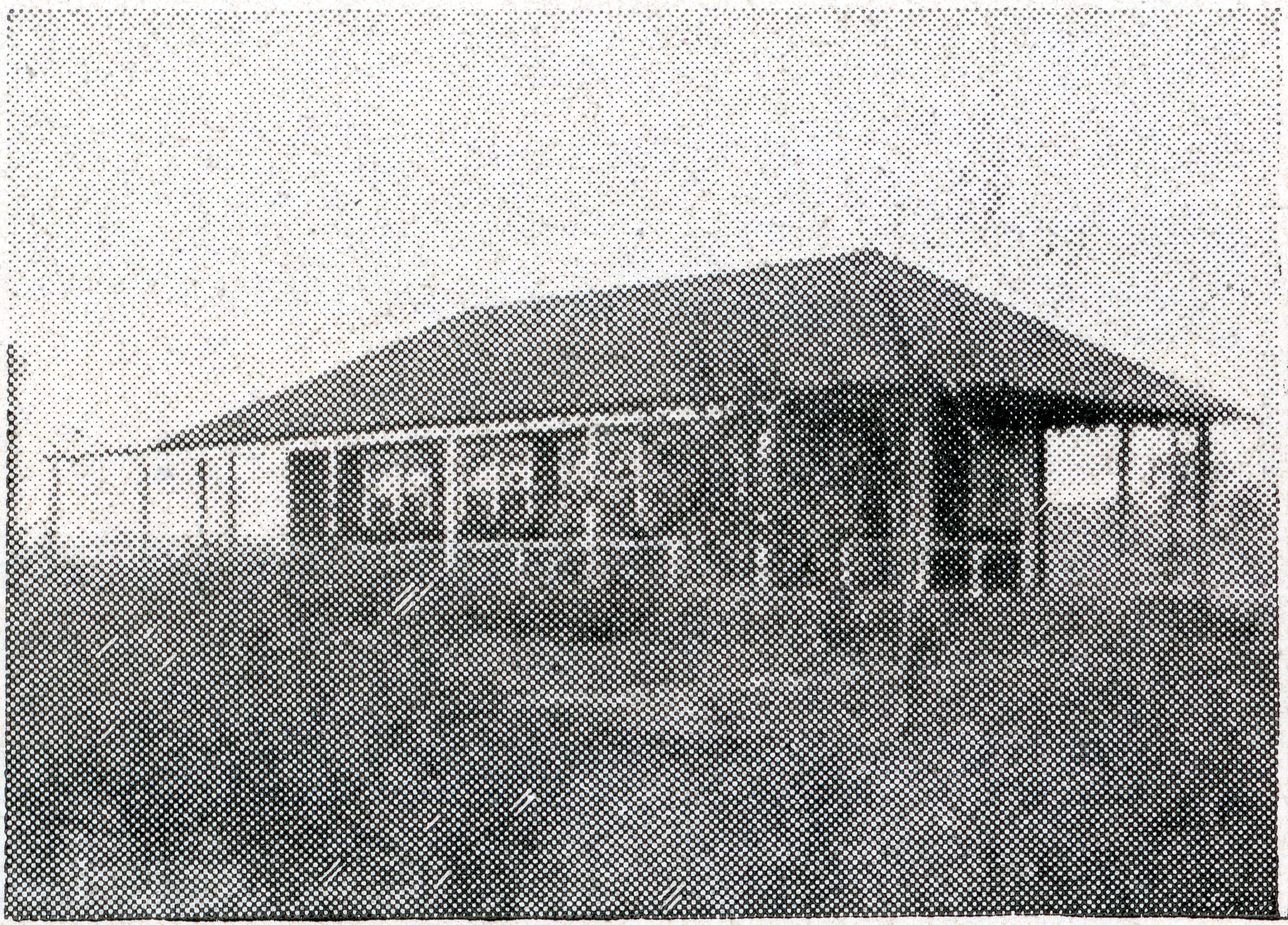
The next step was determining the garden’s layout. This wasn’t Pelham’s expertise, but fortunately Jens Jensen had joined the CGA board. A prominent landscape architect, Jensen had designed two of Chicago’s largest West Side parks. As a centerpiece for the garden, Jensen included a bungalow where gardeners and children could rest. The garden plots themselves were laid out by the superintendent of the farms that served Cook County’s institutions. He suggested planting long rows across each of the eighth-acre plots. The gardeners’ tastes guided what was planted—garlic and peppers for the Italians, potatoes for the Irish, cabbages and kohlrabi for the Germans—but so, according to Pelham, did considerations of what would ensure “a pleasing display and a profitable crop.” The arrangement struck a balance between efficiency and gardeners’ preferences. “To a certain extent, intensive farming will be done,” Pelham noted, “but in all cases as much latitude as possible will be allowed individual gardeners.”13 By all accounts, the first season was a success: each of the 100 families made $30, on an investment of $6 per family by the association. Most families also received enough vegetables to support themselves throughout the season.
The Harvester Garden model quickly spread. The next year, the Western Electric company offered up some of its land to the CGA, and in 1912 the CGA gained access to ten acres of a family estate.14 That May, the Tribune published a letter from a subscriber in New Mexico, offering more vacant lots to the association. Pelham used the letter to launch a campaign to recruit still more land for coming seasons.
The city also became increasingly involved. In 1913, park district directors discussed creating demonstration gardens—public teaching gardens where city residents could learn cultivation techniques. Pelham praised the idea, saying gardens in parks would “encourage the general utilization of waste spaces for growing vegetables.”15 CGA did all the coordination itself, and land came from private landowners, whether families or firms.
Events soon forced the city to directly support gardening. In 1913 a sharp recession hit the country. Unemployment in Chicago surged. The year before, the mayor had created a commission to study unemployment and possible responses at the urging of Charles Richmond Henderson, a University of Chicago sociologist who served on the board of United Charities. This led to the creation of a city Department of Public Welfare, charged with conducting social surveys, monitoring working conditions and unemployment, and attending to the “practical relief of unemployment.”16 As the recession deepened, however, a department staff of only twenty could do little to help the thousands of jobless Chicagoans.
By the frigid winter of 1915, unemployment had become a crisis. Labor unions estimated 150,000 Chicagoans were out of work—a huge number in a city of 2.5 million.17 Henderson, whom the mayor had now appointed to lead an Industrial Commission aimed at helping the unemployed, released a dire report on conditions among the poor. It noted that many children could not study because they were so weak from hunger.18
Hard times led to unrest. For years, unemployed workers had met on Sundays at Hull-House. Now, in mid-January, Lucy Parsons—the prominent anarchist, labor organizer, and orator—joined the meetings and urged attendees to take to the streets.19 At an impromptu unpermitted march, protesters hoisted banners that read “Hunger,” “We Don’t Want Charity, We Want Jobs,” and “Give Us This Our Daily Bread.” The march featured the first singing of “Solidarity Forever,” which would become a labor movement anthem.20 Police rushed in, shot into the air, and beat the protesters. Twenty-one people were arrested, including Parsons.21
The Industrial Commission, warning that “public order is threatened,” took the customary step in responding to economic crisis: it asked business leaders for support.22 In early February, the commission sought $500,000 for an emergency fund. The answer was a firm no. “Leading business men,” Henderson reported, “said that the task was too great for private charity and that the responsibility rests with the city, state, and federal governments.” Trade unions and socialists also denounced the fund. One businessman confided in Henderson “that he was glad at least for once in his life to agree with organized labor and with the Socialists.” 23
The commission next called on the city to create jobs by throwing money into public works projects. Now the mayor said no, explaining that “the city itself did not have money enough to give employment to the throng of the unemployed.”24 Parsons was indignant. “The revolt in France came after years of oppression upon the poor,” she explained at a labor gathering. “The wealth of the land was gathered in by a few of the nobility. The poor finally found it almost impossible to live.” France had its revolution, and Parsons warned that “America is approaching such conditions now.”25
As a last resort, city leaders ramped up efforts to let the unemployed use idle land. For Henderson, the strategy was familiar. A decade earlier, he had published a global survey of social policy, which observed that garden projects were common in France and other countries.26 “This movement,” he had noted, “is in reality a kind of return to the mediaeval custom of keeping tracts of land in common for the cultivation of poor families.”27 But, he added, “the successful administration of these gardens depends upon the wise and energetic leadership of a central committee of influential persons.”28 The Industrial Commission’s final report urged that, as soon as possible, “land owned by the city, county, and sanitary district could be used for growing food and many persons could thus find profitable occupation.”29
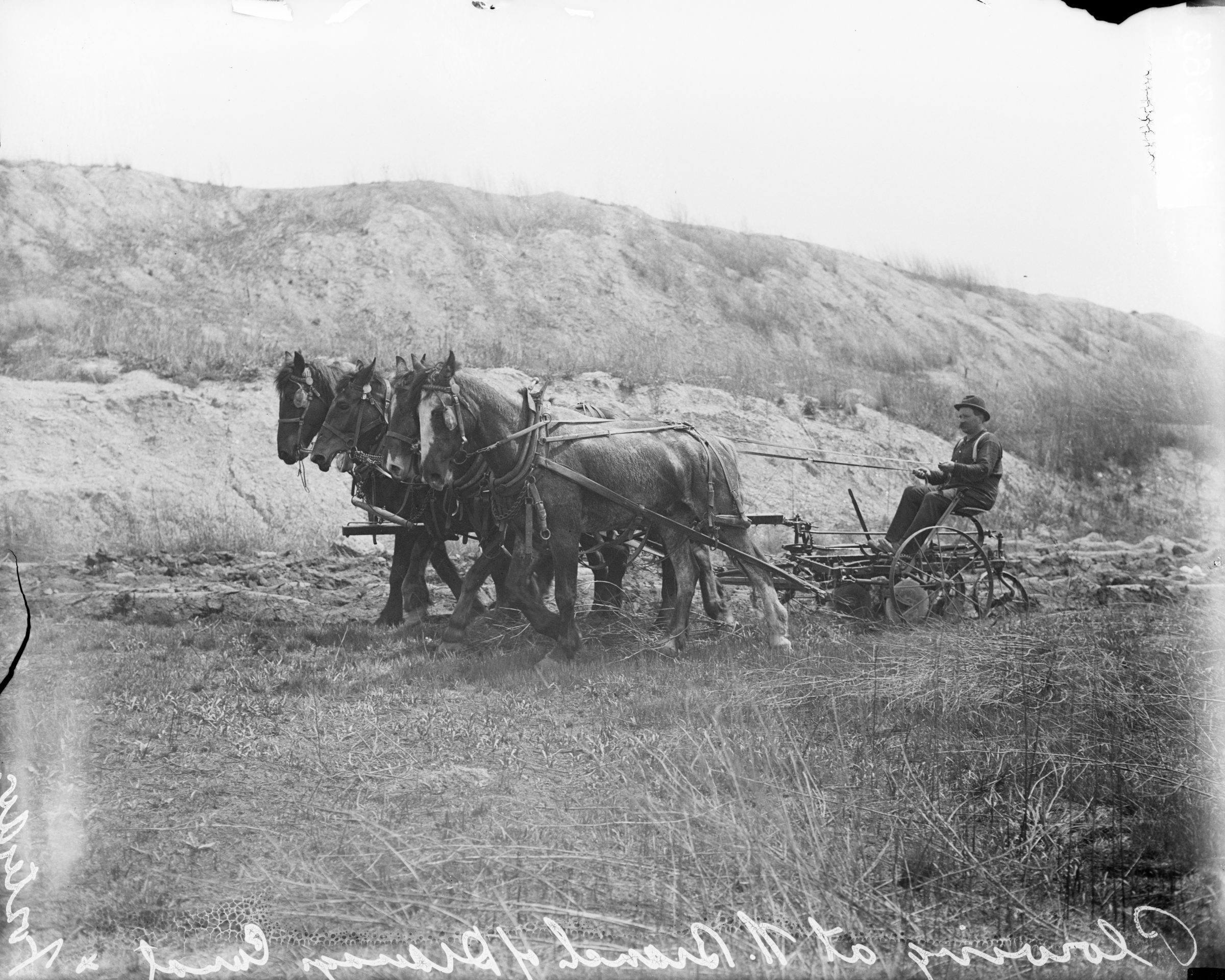
The city moved quickly to take up the commission’s proposal. The Department of Public Welfare, lacking experience, delegated the project to Pelham and the CGA. A committee led by Jensen toured the city, surveying tracts of land that might have suitable soil.30 Topsoil had been scraped from many vacant lots, but the Sanitary District had thousands of acres with rich soil remaining. The Tribune also noted that large tracts of land were more economical and reduced the threat of crops being stolen from vacant lot gardens located within neighborhoods.31 The District swiftly approved the use of land along the north drainage canal. International Harvester contributed a disc harrow, and the leading retailer Sears-Roebuck donated a plow to prepare the land.32
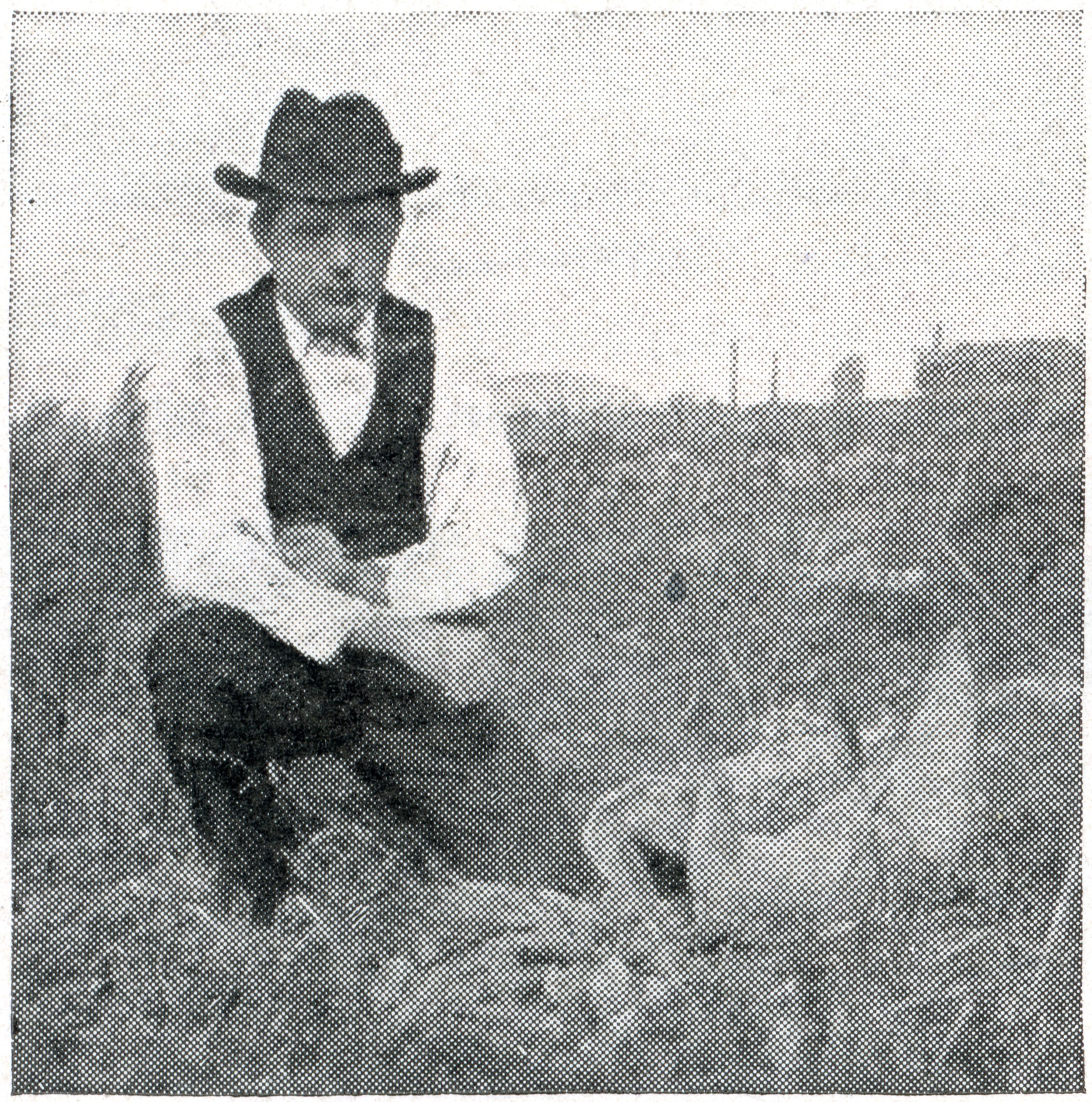
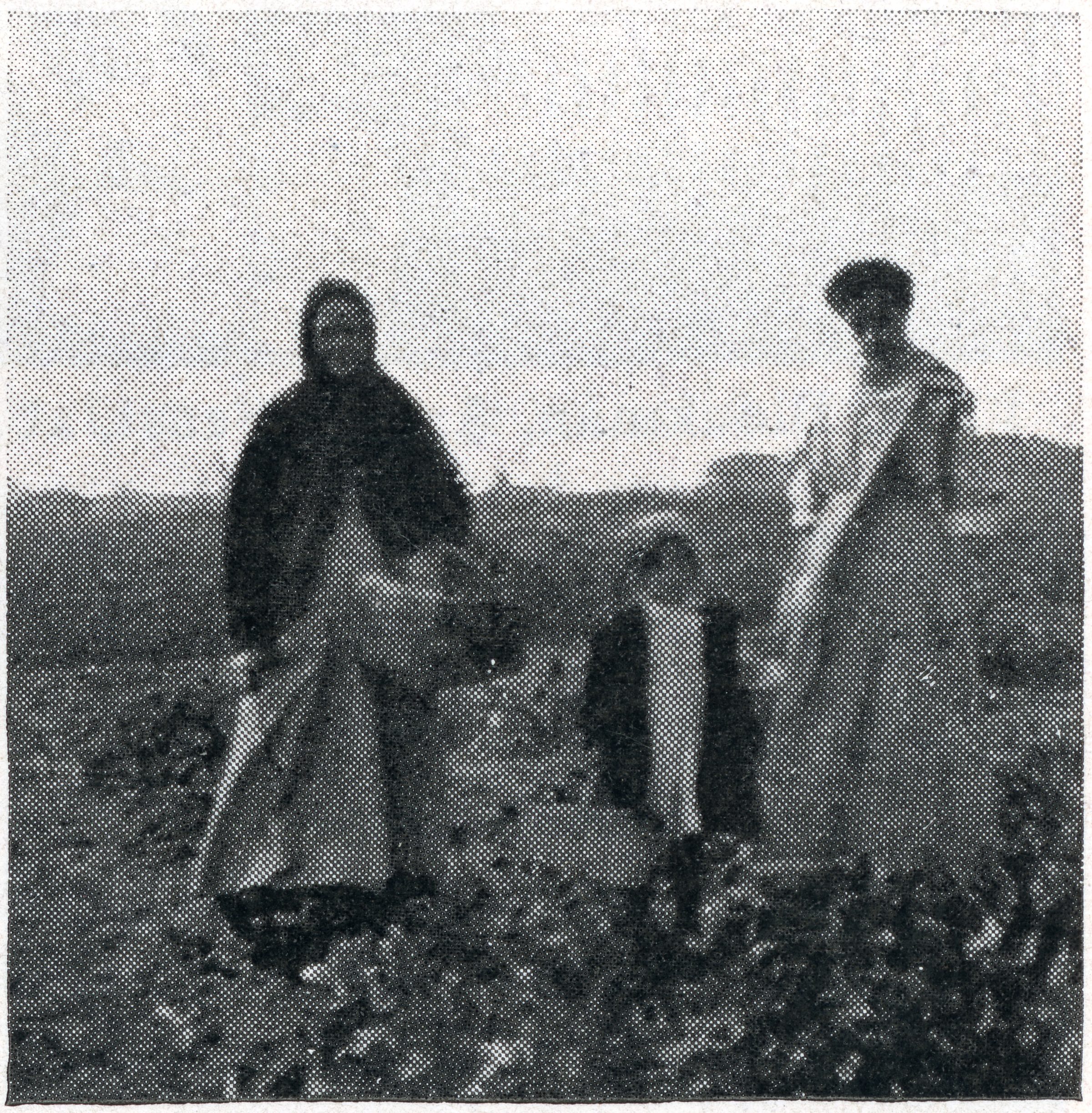
This surge of public support in 1915 took Hull-House’s gardening work to another level. The fifty acres of Sanitary District land became CGA’s most extensive operation, though the eighty-some families that received half-acre parcels next to the drainage canal were fewer in number than the hundreds that had smaller plots at the Harvester Garden. Going big also sparked grand visions. Some suggested families might pitch tents and live by the canal during the summer, rather than in their tenement districts—though it’s not clear if anyone actually did that. And in announcing that it would contribute money toward the costs of the small-farm experiment, the Tribune suggested Chicago might follow the precedent of farms at the outskirts of Europe’s cities.33
For a moment, the city even started up its own garden operations. In the spring of 1915, the Department of Public Welfare announced it had hired a garden director and was ready to match families with 350 acres of tillable land around the city.34 Within a month, the department’s head reported that sixty acres had been allotted and planted, and declared that “if all the vacant ground in the city could be utilized, there would be enough raised to feed all Chicago.”35 But in 1916, with the recession over and a corruption scandal roiling the department, the city once again left gardening to the CGA.36
In less than a decade, the project run by Pelham out of Hull-House had been transformed. What began as an effort to find vacant lots for the People’s Friendly Club led to the Harvester Garden. By the eve of the United States’s entry into the great war in Europe, public land had become a citywide endeavor. Hull-House was making land available for some 450 families, inspiring visions of how Chicago might live up to its official motto of Urbs in Horto—a “City in a Garden.”37